

I first tried this French butter cake on a rainy weekend and was surprised by how such a simple batter — butter, sugar, eggs, flour and a splash of milk — could produce a tender, almost pound-cake crumb that pairs with everything from morning coffee to a light dessert after dinner. It’s quietly elegant, unfussy, and one of those reliably comforting cakes to keep in your baking rotation.
Why you’ll love this dish
This cake hits the sweet spot between everyday and special-occasion baking. It’s buttery and fine-textured without needing fancy ingredients or equipment. Make it when you want something that feels homemade but refined — a family brunch, an afternoon tea, or a last-minute dessert to bring to a neighbor.
“A slice of this cake felt like a warm, buttery hug — simple, golden, and exactly what a quick weekend bake should be.”
Reasons to try it: it’s budget-friendly, straightforward for novice bakers, and easy to scale up for a larger crowd. If you ever wonder what to bake when you want something better than a boxed cake but don’t have hours to spare, this is it.
Step-by-step overview
Before you measure anything, here’s the quick flow: soften butter, cream butter and sugar until airy, add eggs one at a time and vanilla, fold in dry ingredients alternated with milk, pour into a greased 9-inch pan, and bake 35–40 minutes. Expect hands-on time of about 15–20 minutes and total time around an hour with cooling.
What you’ll need
- 1 cup unsalted butter, softened (if using salted butter, reduce added salt slightly)
- 1 cup granulated sugar
- 4 large eggs, room temperature
- 2 teaspoons vanilla extract
- 2 cups all-purpose flour
- 1 teaspoon baking powder
- 1/2 teaspoon salt
- 1/2 cup milk (whole milk gives best richness; but 2% or a non-dairy milk like oat or almond will work)
Notes on swaps: try brown butter for deeper, nutty flavor (if you want an example technique, see this brown-butter cake recipe). Use a 1:1 gluten-free flour blend if you need GF — expect a slightly different texture.
How to prepare it
- Preheat the oven to 350°F (175°C). Grease a 9-inch round cake pan and line the bottom with parchment if you like easier removal.
- In a large bowl, beat the softened butter and sugar together with an electric mixer on medium speed until pale and fluffy — about 3 to 5 minutes.
- Add the eggs one at a time, beating well after each addition so the mixture stays smooth. Stir in the vanilla.
- In a separate bowl, whisk the flour, baking powder, and salt.
- Add the dry mixture to the butter mixture in three additions, alternating with the milk: flour, milk, flour, milk, finishing with flour. Mix just until combined — don’t overbeat.
- Pour the batter into the prepared pan, smooth the top with a spatula, and tap once on the counter to remove large air bubbles.
- Bake 35–40 minutes, or until the top is golden and a toothpick inserted into the center comes out clean or with a few moist crumbs.
- Let the cake cool in the pan for 10 minutes, then run a knife around the edge and transfer to a wire rack to cool completely. Serve plain or dust with powdered sugar.
Directions to follow
- Preheat your oven and prepare the pan so everything’s ready when the batter’s mixed.
- Cream butter and sugar until light; this step traps air that helps the cake rise.
- Incorporate eggs one at a time to keep the batter emulsified and smooth.
- Alternate dry ingredients with milk to avoid overworking the flour and to maintain a tender crumb.
- Bake until a tester comes out almost clean; let it rest briefly in the pan, then cool fully on a rack.
What to serve it with
This cake is versatile. For a simple treat, dust with powdered sugar and enjoy with fresh berries and a cup of coffee. For brunch, serve alongside lemon curd and whipped cream. At casual gatherings, slice and plate with a scoop of vanilla ice cream or a drizzle of warm berry compote. If you’re hosting a dessert table, place small slices next to chocolatey minis for contrast — chocolate cupcakes make a fun companion for variety and texture contrast.
Try pairing with moist, chocolate-forward bites like these homemade chocolate cupcakes with Oreo buttercream when you want one sweet option for chocolate lovers.
Storage and reheating tips
Room temperature: Keep the cake covered with a cake dome or wrapped in plastic wrap for up to 48 hours. Make sure it’s fully cooled before covering to avoid condensation.
Refrigerator: Store in an airtight container for up to 5 days. Bring slices to room temperature before serving for best flavor.
Freezing: Wrap the cooled whole cake (or slices) tightly in plastic and then foil. Freeze up to 2 months. Thaw overnight in the fridge, then bring to room temperature.
Reheating: Warm slices briefly in a microwave (10–15 seconds) or in a 325°F (160°C) oven for 5–8 minutes for a just-baked feel. Always follow safe food handling — don’t leave perishable toppings at room temperature for more than two hours.
Pro chef tips
- Soften butter to room temperature, not melted. Press your finger into it; it should give but still hold shape.
- Cream butter and sugar long enough to pull in air — that’s where the cake’s lift begins.
- Use room-temperature eggs so they incorporate easily and the batter doesn’t seize.
- Don’t overmix after adding flour — overworking forms gluten and makes cakes dense.
- If the top browns too quickly, tent lightly with foil for the last 10–15 minutes.
- For even baking, position the pan in the center of the oven and avoid opening the door early.
Flavor swaps
- Brown butter: brown the butter and cool slightly before using to add a nutty depth — great with a sprinkle of sea salt.
- Citrus: add the zest of one lemon or orange to the batter for brightness.
- Almond: swap 1/2 teaspoon of vanilla for almond extract for an almond-tinged cake.
- Berries: fold 1 cup of fresh berries (lightly dusted with flour) into the batter for a studded cake; reduce milk by 1–2 tablespoons if batter seems loose.
- Dietary swaps: use a 1:1 gluten-free flour blend, and substitute plant milk to make it dairy-free (but keep butter swaps in mind if you need completely vegan).
If you want a step-by-step on browning butter for a richer take, see this brown butter cake guide.
Your questions answered
How long does this cake take from start to finish?
Plan for about 15–20 minutes active prep, 35–40 minutes baking, and at least 30 minutes cooling. Total ~1.5 hours so you can time it for coffee or dessert.
Can I use salted butter instead of unsalted?
Yes. If you use salted butter, reduce the added salt by about half (or omit it entirely) and taste the batter if needed.
Can I make this ahead for a party?
Yes. Bake the day before and store in an airtight container at room temperature for up to 48 hours or refrigerate up to five days. For the best texture, bring to room temp before serving.
What if my cake is dense or sinks in the middle?
Common causes: overmixing after adding flour, too high a proportion of wet to dry, or opening the oven early. Ensure accurate measuring (use a scale if possible) and fold gently.
Can I add frosting?
Absolutely. This cake is lovely with a light glaze, lemon icing, or a simple buttercream. If adding heavy frosting, chill the cake first so crumbs are minimized.
PrintFrench Butter Cake
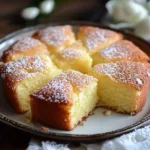
A tender and buttery cake that pairs beautifully with coffee or a light dessert, perfect for any occasion.
- Prep Time: 20 minutes
- Cook Time: 40 minutes
- Total Time: 60 minutes
- Yield: 8 servings 1x
- Category: Dessert
- Method: Baking
- Cuisine: French
- Diet: Vegetarian
Ingredients
- 1 cup unsalted butter, softened
- 1 cup granulated sugar
- 4 large eggs, room temperature
- 2 teaspoons vanilla extract
- 2 cups all-purpose flour
- 1 teaspoon baking powder
- 1/2 teaspoon salt
- 1/2 cup milk (whole or non-dairy)
Instructions
- Preheat the oven to 350°F (175°C). Grease a 9-inch round cake pan and line it with parchment if desired.
- In a large bowl, beat the softened butter and sugar together with an electric mixer on medium speed until pale and fluffy, about 3 to 5 minutes.
- Add the eggs one at a time, beating well after each addition. Stir in the vanilla.
- In a separate bowl, whisk together the flour, baking powder, and salt.
- Add the dry mixture to the butter mixture in three additions, alternating with the milk: flour, milk, flour, milk, finishing with flour. Mix just until combined.
- Pour the batter into the prepared pan and smooth the top. Tap the pan on the counter to remove large air bubbles.
- Bake for 35–40 minutes, or until the top is golden and a toothpick inserted into the center comes out clean or with a few moist crumbs.
- Let the cake cool in the pan for 10 minutes, then run a knife around the edge and transfer to a wire rack to cool completely.
- Serve plain or dust with powdered sugar.
Notes
Try brown butter for a deeper flavor, or use a gluten-free flour blend for a gluten-free option.
Nutrition
- Serving Size: 1 slice
- Calories: 400
- Sugar: 20g
- Sodium: 250mg
- Fat: 25g
- Saturated Fat: 15g
- Unsaturated Fat: 10g
- Trans Fat: 0g
- Carbohydrates: 40g
- Fiber: 1g
- Protein: 6g
- Cholesterol: 100mg