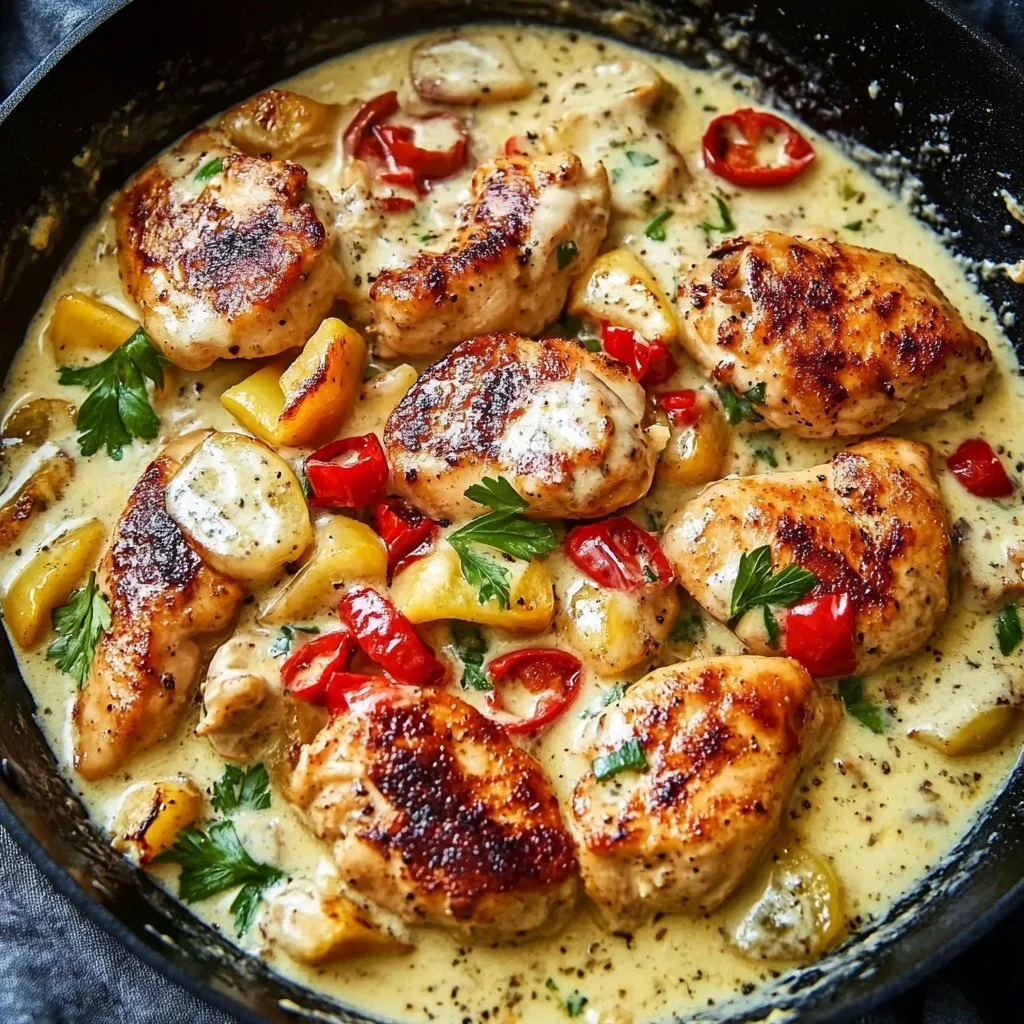

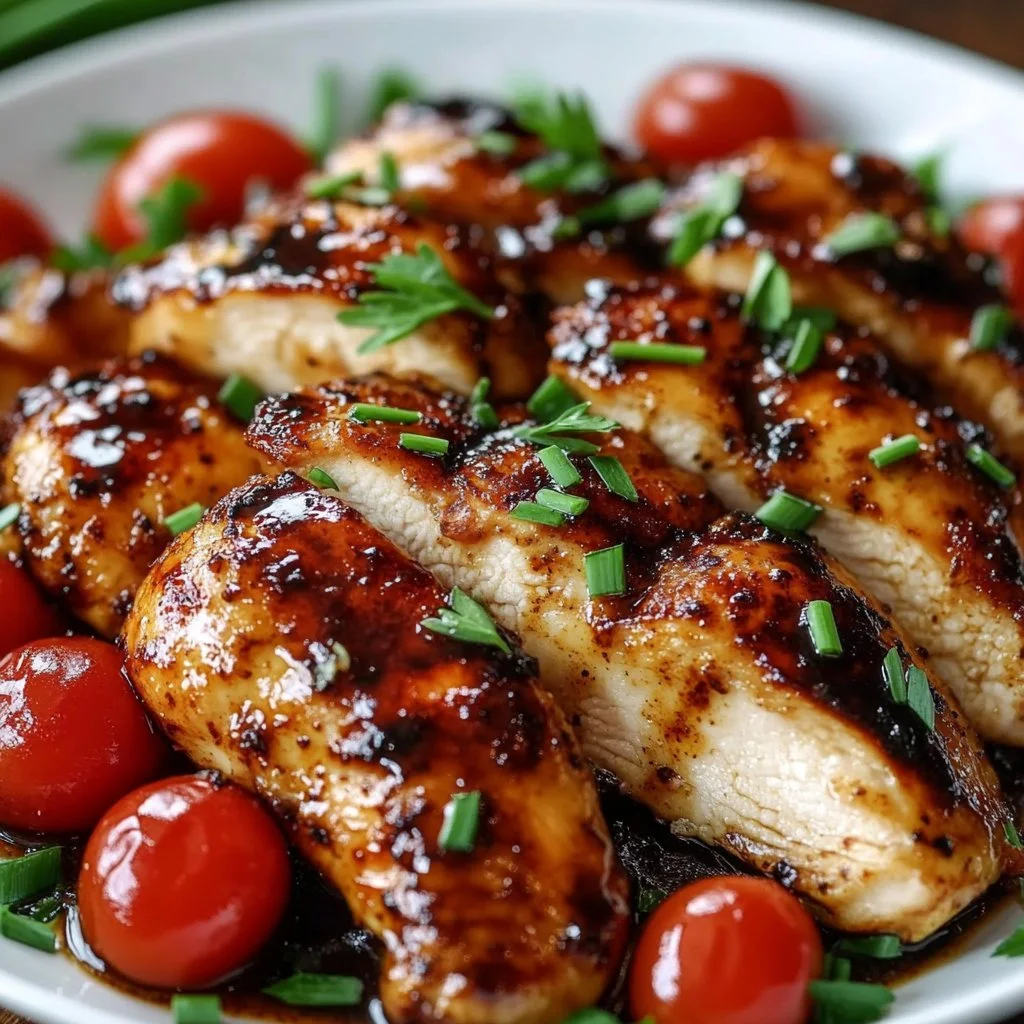
I still remember the first time I tossed chicken in a simple balsamic, honey, and garlic marinade and baked it — the kitchen filled with a sweet tang and the chicken came out glossy and tender. This Balsamic Baked Chicken Breast recipe is exactly that: an easy, pantry-friendly weekday winner that balances acidity and sweetness while staying lean and family-friendly. If you enjoy oven-baked chicken with a rich glaze, you might also like the garlic butter baked chicken breast for another fast, flavorful weeknight option.
Why you’ll love this dish
This recipe hits a lot of home-cooking sweet spots. It is quick to prep, uses ingredients you probably already have, and delivers a glossy, caramelized finish without deep frying. The balsamic provides acidity that tenderizes, honey adds gentle sweetness and color, and garlic and herbs keep the flavor grounded and familiar. Perfect for weeknight dinners, meal prep lunches, or when you want something elegant without fuss.
"Simple to make and reliably moist. The balsamic glaze feels gourmet but takes minutes to prepare."
Preparing Balsamic Baked Chicken Breast
Step-by-step overview:
- Whisk together a balsamic, olive oil, honey, garlic, and dried herbs to make the marinade.
- Marinate the chicken for at least 30 minutes, ideally 2 to 4 hours, so the flavors penetrate.
- Bake at 400°F (200°C) until the internal temperature hits 165°F (75°C).
- Rest, slice, and serve with pan juices and fresh basil.
What you’ll need
- 4 boneless skinless chicken breasts (about 1.5 to 2 pounds total)
- 1/2 cup balsamic vinegar
- 1/4 cup olive oil
- 2 tablespoons honey (maple syrup can be used instead)
- 3 cloves garlic, minced
- 1 teaspoon dried oregano
- 1 teaspoon dried thyme
- Salt and freshly ground black pepper, to taste
- Fresh basil leaves for garnish (optional)
Notes and substitutions:
- If breasts are very thick, pound them to an even thickness for even cooking.
- Swap dried herbs for 1 tablespoon each fresh chopped oregano or thyme if available.
- For a lower-sugar option, reduce honey to 1 tablespoon and add 1 teaspoon Dijon mustard for balance.
Step-by-step instructions
- In a medium bowl whisk together the balsamic vinegar, olive oil, honey, minced garlic, oregano, and thyme. Whisk until the honey dissolves and the mixture is smooth. Season with salt and pepper.
- Place the chicken breasts in a large resealable plastic bag or a shallow dish. Pour the marinade over the chicken. Turn to coat each piece well. Seal the bag or cover the dish.
- Refrigerate for at least 30 minutes. For best flavor, marinate 2 to 4 hours. Do not marinate longer than 12 hours because the acid can change the texture.
- When ready to bake, remove the chicken from the fridge and let it sit at room temperature for 10 to 15 minutes.
- Preheat the oven to 400°F (200°C). Line a baking dish with foil or parchment and lightly brush with olive oil.
- Arrange the chicken breasts in the dish, spaced evenly. Pour any remaining marinade over the top.
- Bake for 25 to 30 minutes. Check the thickest piece with an instant-read thermometer — it should read 165°F (75°C).
- If desired, baste once with pan juices halfway through baking for extra gloss.
- Remove the dish from the oven and let the chicken rest for 5 to 10 minutes before slicing. Resting locks in juices.
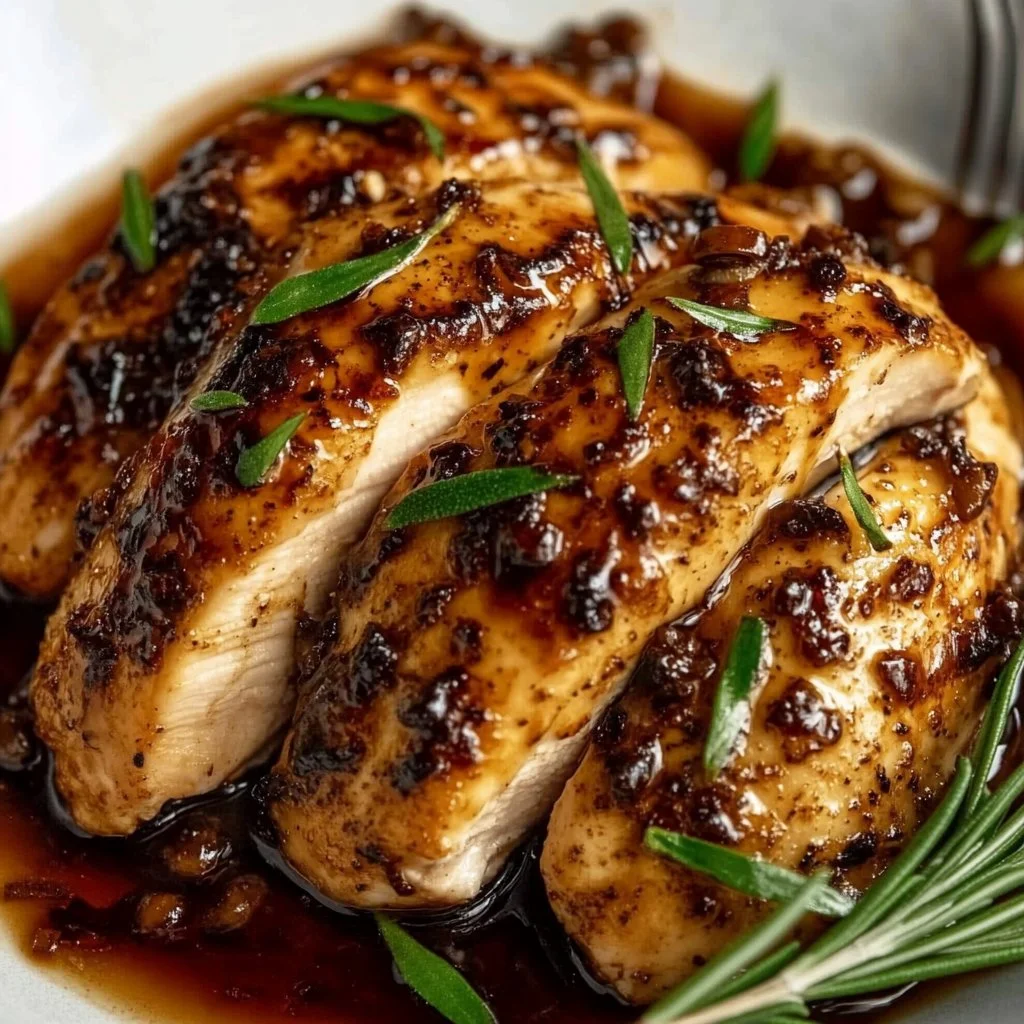
- Slice into thick pieces, arrange on a platter, and spoon the pan juices over top. Garnish with fresh basil if using. Serve with your favorite sides.
Best ways to enjoy it
Serve this chicken sliced on a bed of quinoa or fluffy rice with a side of roasted vegetables for a balanced meal. It also works great over mixed greens for a warm salad or tucked into warm flatbread with sliced tomatoes and a smear of ricotta. For a cheesy, indulgent plating idea, top slices with a little fresh mozzarella and broil just until the cheese softens. If you want a different stuffed chicken inspiration, try the baked chicken cordon bleu for a richer presentation.
Storage and reheating tips
- Refrigerate leftovers in an airtight container within two hours of cooking. Keep for up to 3 days.
- To freeze: cool completely, place in a freezer-safe container or bag, and freeze up to 3 months. Thaw overnight in the fridge before reheating.
- Reheat gently in a 325°F oven until warmed through to avoid drying out, or heat slices briefly in the microwave with a splash of water or broth to retain moisture. Always reheat until piping hot.
- Food safety note: cooked chicken should reach 165°F (75°C) when reheated.
Pro chef tips
- Even thickness matters. Pound breasts to an even 3/4 inch for uniform cooking.
- Pat the chicken dry before marinating. The marinade will cling better and you get better browning.
- Use an instant-read thermometer to avoid overcooking. 165°F (75°C) is the safe internal temperature.
- If the chicken looks pale near the end, broil on high for 1 to 2 minutes while watching closely to caramelize the glaze.
- Save pan juices and drizzle over after resting for an attractive glossy finish.
Recipe variations
- Honey-mustard balsamic: add 1 teaspoon Dijon mustard for a tangier glaze.
- Herb-forward: swap dried oregano and thyme for a tablespoon each of chopped fresh rosemary and parsley.
- Lower sugar: reduce honey and add extra garlic, lemon zest, and a pinch of chili flakes for brightness.
- Thighs instead of breasts: bone-in thighs will need 10 to 15 additional minutes; use a thermometer to confirm doneness.
- Make it gluten-free: all listed ingredients are naturally gluten-free; double-check labels on store-bought balsamic if sensitive.
Common questions
How long should I marinate the chicken?
Marinate for at least 30 minutes for surface flavor. For deeper flavor and tenderness, aim for 2 to 4 hours. Avoid marinating longer than 12 hours because the acid can begin to break down the meat too much.
Can I use chicken thighs instead of breasts?
Yes. Bone-in thighs are forgiving and stay moist but will require more time in the oven. Plan on about 35 to 45 minutes at 400°F and use a thermometer to confirm 165°F (75°C) internally.
Is it safe to bake the chicken from frozen?
Do not bake frozen marinated chicken in this recipe. Thaw fully in the fridge first so the marinade can penetrate and so the chicken cooks evenly.
What if I do not have balsamic vinegar?
You can use a combination of red wine vinegar and a bit of honey to mimic balsamic acidity and sweetness, but the signature color and depth will be less pronounced.
How do I prevent the chicken from drying out?
Do not overcook. Use an instant-read thermometer and remove chicken at 165°F (75°C). Let it rest for 5 to 10 minutes before slicing to redistribute juices.
PrintBalsamic Baked Chicken Breast
A simple and delicious balsamic, honey, and garlic marinade brings out the flavor in this tender baked chicken breast.
- Prep Time: 15 minutes
- Cook Time: 30 minutes
- Total Time: 45 minutes
- Yield: 4 servings 1x
- Category: Main Course
- Method: Baking
- Cuisine: Italian
- Diet: Gluten-Free
Ingredients
- 4 boneless skinless chicken breasts (about 1.5 to 2 pounds total)
- 1/2 cup balsamic vinegar
- 1/4 cup olive oil
- 2 tablespoons honey (maple syrup can be used instead)
- 3 cloves garlic, minced
- 1 teaspoon dried oregano
- 1 teaspoon dried thyme
- Salt and freshly ground black pepper, to taste
- Fresh basil leaves for garnish (optional)
Instructions
- Whisk together balsamic vinegar, olive oil, honey, minced garlic, oregano, and thyme in a medium bowl until smooth. Season with salt and pepper.
- Place the chicken breasts in a resealable plastic bag or shallow dish. Pour marinade over the chicken and turn to coat.
- Refrigerate for at least 30 minutes, preferably 2 to 4 hours.
- Remove chicken from the fridge and let sit at room temperature for 10 to 15 minutes.
- Preheat the oven to 400°F (200°C) and line a baking dish with foil or parchment, brushing lightly with olive oil.
- Arrange chicken breasts in the dish and pour any remaining marinade over the top.
- Bake for 25 to 30 minutes, until the internal temperature reaches 165°F (75°C).
- Remove from oven and let chicken rest for 5 to 10 minutes before slicing.
- Slice and arrange on a platter, spooning pan juices over top and garnishing with fresh basil if desired.
Notes
Pound thick chicken breasts for even cooking. Substitute dried herbs with fresh if available. For lower sugar, reduce honey to 1 tablespoon and add Dijon mustard.
Nutrition
- Serving Size: 1 serving
- Calories: 350
- Sugar: 5g
- Sodium: 400mg
- Fat: 12g
- Saturated Fat: 4g
- Unsaturated Fat: 6g
- Trans Fat: 0g
- Carbohydrates: 45g
- Fiber: 3g
- Protein: 15g
- Cholesterol: 30mg