
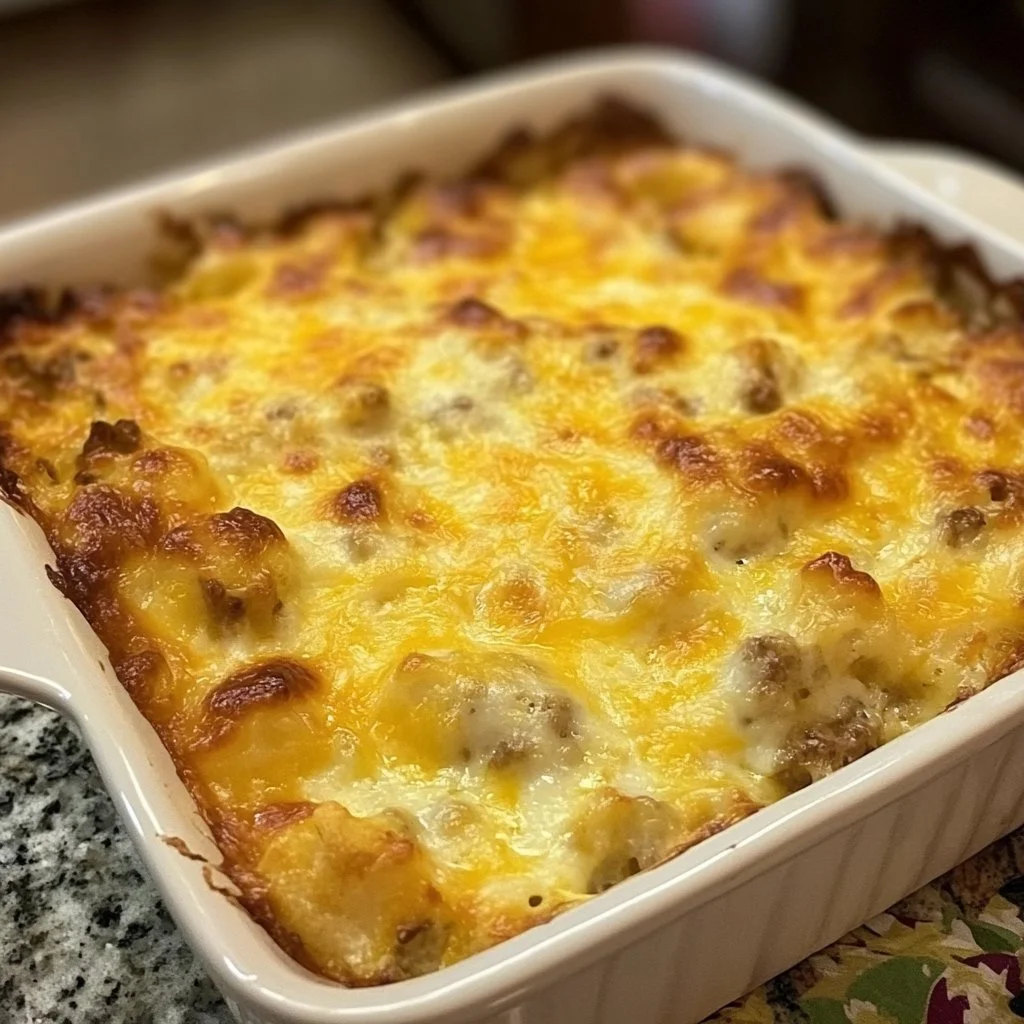
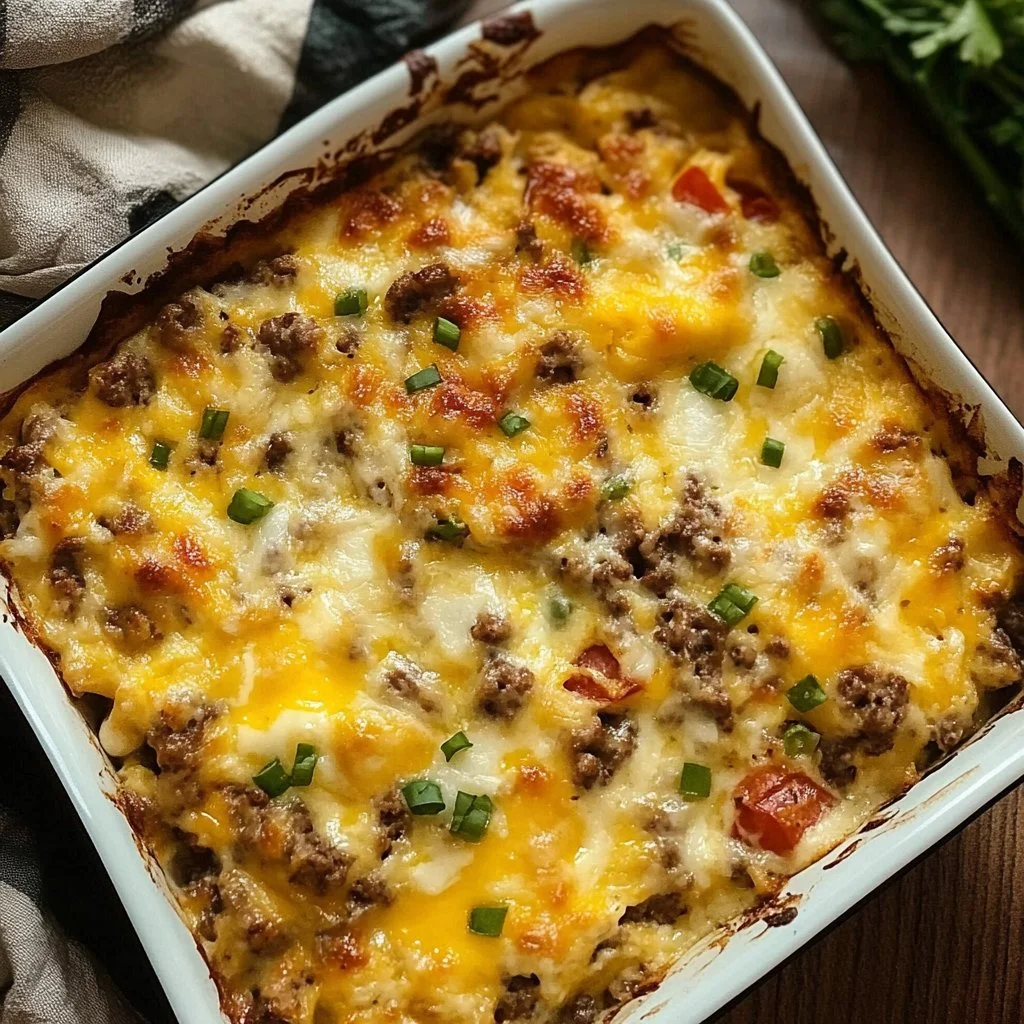
I’ve been making this make-ahead breakfast casserole for years when I need an easy, crowd-pleasing morning dish that practically cooks itself. It’s a savory soak-and-bake that sleeps in the fridge and wakes up golden, perfect for busy mornings, holiday brunches, or a no-fuss weekend. If you enjoy other overnight casseroles, you might also like this overnight croissant breakfast casserole for a flakier, buttery twist.
Why you’ll love this dish
This casserole hits the sweet spot between comfort and convenience. It combines hearty sausage, custardy eggs, and gooey cheese with cubed bread that soaks up flavor overnight. It’s budget-friendly, feeds a crowd, and frees you up on the morning you serve it.
“Made this for a family brunch and everyone went back for seconds. The custard was silky and the top got beautifully golden.”
Reasons people reach for this recipe include easy prep the night before, reliably consistent results, and kid-friendly flavors. It’s also flexible: swap cheeses or herbs to suit your pantry.
The cooking process explained
Step-by-step overview: brown the sausage, whisk a simple egg-milk custard with dry mustard for brightness, fold in cubed bread and cooked sausage, top with shredded cheese, and refrigerate covered overnight so the bread soaks up the custard. Bake the next morning until puffed and set.
This overview helps you know what to expect before you start and lets you plan oven time while you take care of other breakfast items.
What you’ll need
- 1 pound mild or spicy sausage (choose your preferred seasoning)
- 6 large eggs
- 2 cups shredded cheese (cheddar, Monterey Jack, or a blend)
- 2 teaspoons dry mustard
- 1 cup milk (whole milk gives richer custard; use 2% or a mix of milk and half-and-half if preferred)
- Salt and freshly ground black pepper to taste
- 1 loaf of bread, cubed (stale or day-old bread soaks better; sourdough, French, or challah all work)
- Fresh herbs for garnish such as parsley or chives
Notes: For a lighter version use lower-fat cheese and milk. If you want a gluten-free casserole, substitute cubed gluten-free bread.
Step-by-step instructions
- Preheat your oven to 350°F (175°C) and grease a 9×13-inch baking dish.
- Heat a large skillet over medium heat and cook the sausage, breaking it into crumbles, until browned and cooked through. Drain excess fat if needed and let the sausage cool slightly.
- In a large bowl, whisk together the eggs, milk, dry mustard, and a good pinch of salt and pepper until smooth. The dry mustard adds a subtle tang that lifts the custard.
- Add the cubed bread and the cooled sausage to the egg mixture. Stir gently until the bread is evenly coated and beginning to absorb the custard. Let sit for a few minutes so the bread soaks up the liquid.
- Transfer the mixture to the prepared baking dish and spread it into an even layer. Sprinkle the shredded cheese evenly over the top.
- Cover the dish tightly and refrigerate overnight, or for at least 6 hours, to let flavors meld and the custard fully saturate the bread.
- The next morning, bake the casserole uncovered for 45 to 50 minutes. The top should be golden and the center set—test by inserting a knife into the middle; it should come out clean or with just a few moist crumbs. If you like a crisper top, broil briefly while watching carefully.
- Let the casserole rest 5 to 10 minutes after baking. Garnish with chopped parsley or chives before serving.
Best ways to enjoy it
This casserole is great on its own or paired with simple sides. Try a crisp green salad or lightly dressed mixed greens for balance. Roasted potatoes or pan-roasted asparagus are nice hot sides that round out the plate. For a brunch spread, place it alongside fresh fruit and a basket of warm rolls.
If you want another hearty, family-friendly casserole with cheesy appeal for dinner nights, try this cheesy hamburger rice casserole for a different comfort-food moment.
Storage and reheating tips
- Refrigerate leftovers in an airtight container for up to 3 to 4 days.
- To reheat, warm individual portions in the microwave for 60 to 90 seconds, or reheat a large portion in a 325°F oven until warmed through (about 20 to 25 minutes). Reheat to an internal temperature of 165°F for safety.
- To freeze: cut into portions and wrap tightly or place in freezer-safe containers for up to 2 months. Thaw in the fridge overnight before reheating.
- Food safety note: Do not leave the uncooked casserole at room temperature overnight. Always refrigerate covered.
Pro chef tips
- Use slightly stale bread so it soaks up the custard without turning mushy. Fresh bread can work if you dry it in a low oven for 10 minutes first.
- Let the cooked sausage cool a bit before adding to the eggs to avoid cooking the eggs prematurely.
- If you like pockets of melted cheese inside, stir 1 cup of cheese into the mixture and reserve 1 cup for the top.
- Check doneness in the center; ovens vary and high-altitude kitchens may need slightly longer baking time.
Creative twists
- Veggie-forward: sauté spinach, mushrooms, or bell peppers with the sausage before combining.
- Cheese swaps: try pepper jack for a touch of heat or Swiss for a nutty note.
- Herb-forward: fold chopped dill or basil into the custard for a fresh lift.
- Dairy-free: substitute a plant-based milk and dairy-free cheese, and ensure the sausage alternative matches your dietary needs.
Your questions answered
How long does the actual prep take?
Plan 15 to 20 minutes to cook the sausage, mix the custard, and assemble the casserole. Most of the work happens overnight when it’s chilling.
Can I prepare this and bake the same day?
Yes. If you’re short on time, assemble and let it sit at room temperature for no more than 1 hour before refrigerating briefly, but ideally refrigerate for at least 3 to 4 hours so the bread absorbs the custard. Do not leave uncooked egg dishes at room temperature for extended periods.
Can I make this vegetarian?
Yes. Swap the sausage for a plant-based crumbled sausage or a mix of seasoned cooked lentils and sautéed vegetables. Adjust seasoning as needed.
How do I know when it’s fully cooked?
The center should be set and no longer jiggly. A knife or thermometer inserted in the center should come out clean and the internal temperature should reach about 160°F to 165°F for a fully set, safe-to-eat casserole.
Can I double the recipe?
You can double and bake in a larger or two separate pans. Baking time may increase slightly; monitor doneness and use the knife test to check the center.
PrintMake-Ahead Breakfast Casserole

A savory soak-and-bake breakfast casserole made with sausage, eggs, cheese, and cubed bread, perfect for busy mornings and holiday brunches.
- Prep Time: 20 minutes
- Cook Time: 50 minutes
- Total Time: 70 minutes
- Yield: 8 servings 1x
- Category: Breakfast
- Method: Baking
- Cuisine: American
- Diet: Paleo
Ingredients
- 1 pound mild or spicy sausage
- 6 large eggs
- 2 cups shredded cheese (cheddar, Monterey Jack, or a blend)
- 2 teaspoons dry mustard
- 1 cup milk
- Salt and freshly ground black pepper to taste
- 1 loaf of cubed stale or day-old bread (sourdough, French, or challah)
- Fresh herbs for garnish (parsley or chives)
Instructions
- Preheat your oven to 350°F (175°C) and grease a 9×13-inch baking dish.
- Cook the sausage in a skillet over medium heat until browned, then let it cool slightly.
- In a bowl, whisk together the eggs, milk, dry mustard, salt, and pepper.
- Add the cubed bread and cooled sausage to the egg mixture, stir gently to coat.
- Transfer the mixture to the baking dish and spread evenly. Sprinkle cheese on top.
- Cover and refrigerate overnight or for at least 6 hours.
- The next morning, bake uncovered for 45 to 50 minutes until golden and set.
- Let rest for 5 to 10 minutes, then garnish and serve.
Notes
For a lighter version, use lower-fat cheese and milk. For gluten-free, substitute with gluten-free bread.
Nutrition
- Serving Size: 1 serving
- Calories: 400
- Sugar: 3g
- Sodium: 600mg
- Fat: 22g
- Saturated Fat: 9g
- Unsaturated Fat: 12g
- Trans Fat: 0g
- Carbohydrates: 30g
- Fiber: 2g
- Protein: 20g
- Cholesterol: 200mg