
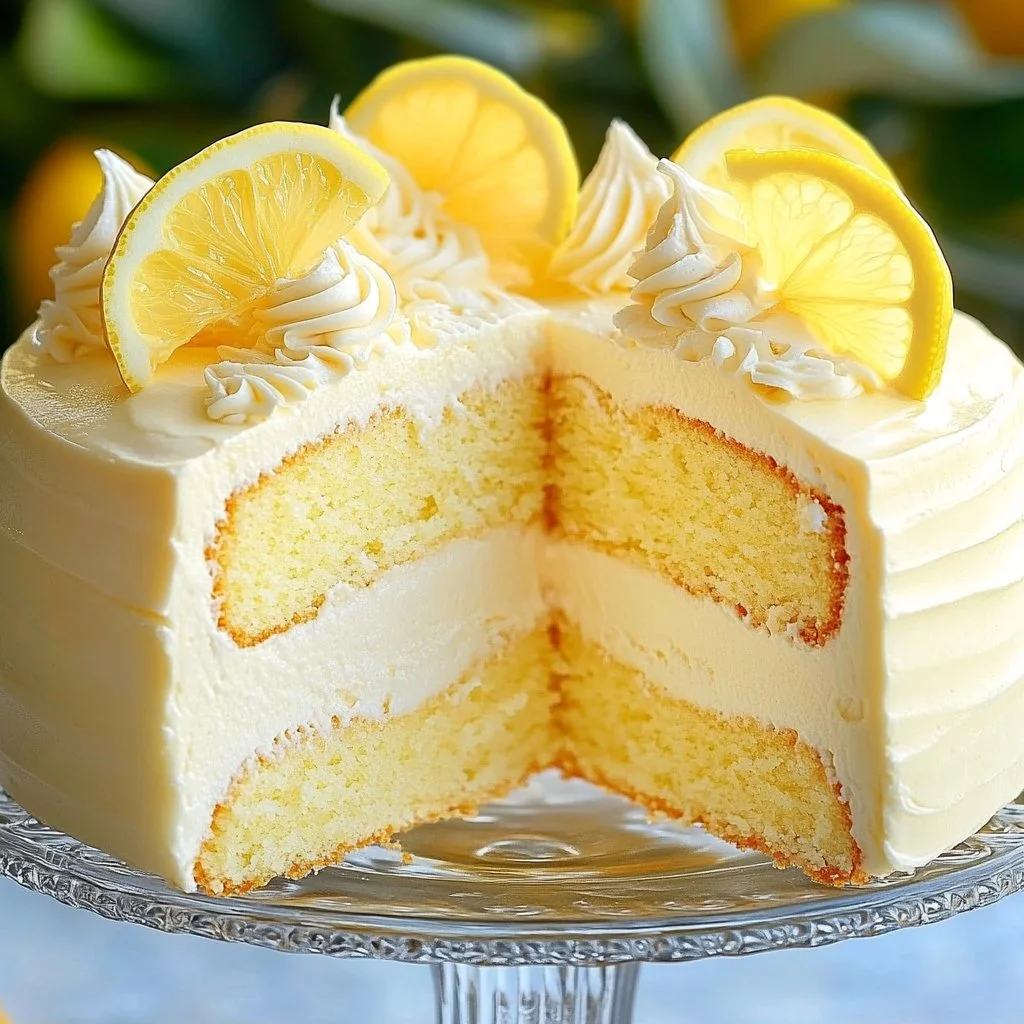
I first made this tangy lemon cheesecake cake on a bright spring morning when I wanted something that tasted like sunshine but felt substantial enough for company. This is a smooth, citrus-forward baked cheesecake with a buttery graham cracker base and a clean lemon finish that brightens every bite. If you enjoy layered citrus desserts, you might also like the lighter, more casual take in this lemon blueberry cheesecake trifle recipe.
Why you’ll love this dish
This cheesecake hits that sweet-tart sweet spot. It’s classy enough for guests but simple enough for a weeknight treat. The lemon juice and zest cut through the richness of cream cheese, keeping each slice lively rather than cloying. It’s also budget-friendly: three blocks of cream cheese yield a generous 9-inch cake that serves 8 to 12 depending on portions. Make it for brunch, a birthday, or anytime you want a dessert that feels celebratory without fuss.
Step-by-step overview
Before you begin, know the flow: press the graham crust, blend a silky cream cheese batter, pour it over the crust, bake gently, then cool slowly to avoid cracks. Total hands-on time is about 25–35 minutes; baking and resting bring the clock to several hours, so plan ahead or make it the day before.
What you’ll need
- 1 1/2 cups graham cracker crumbs
- 1/2 cup unsalted butter, melted (room temperature)
- 3 (8-ounce) packages cream cheese, softened (do not microwave)
- 1 cup granulated sugar
- 1 teaspoon vanilla extract
- 3 large eggs
- 1/2 cup sour cream (or full-fat Greek yogurt as a swap)
- 1/4 cup fresh lemon juice (about 1–2 lemons)
- Zest of 1 lemon
- Whipped cream and lemon slices for topping, optional
Ingredient notes: use fresh lemon juice for bright flavor; bottled lemon juice tastes flat. If you need a dairy-free or lighter version, substitute two packages of dairy-free cream cheese and 1 cup Greek yogurt, but expect a slightly different texture.
Directions to follow
- Preheat the oven to 325°F (160°C). Grease a 9-inch springform pan.
- Mix graham cracker crumbs and melted butter in a bowl until evenly moistened. Press the mixture firmly into the pan bottom to form a compact crust.
- In a large bowl, beat the softened cream cheese until smooth and free of lumps.
- Gradually add the sugar while beating, then stir in the vanilla until combined.
- Add the eggs one at a time, beating briefly after each so they incorporate without overwhipping.
- Stir in the sour cream, lemon juice, and lemon zest until just combined; avoid overmixing.
- Pour the batter over the prepared crust and smooth the top with a spatula.
- Bake for 50 to 60 minutes. The center should be set but still slightly jiggly; the edges will appear lightly golden.
- Turn off the oven and leave the cheesecake inside with the door ajar for 1 hour to cool gently.
- Remove from the oven, cool to room temperature, then refrigerate for at least 4 hours or overnight. Before serving, top with whipped cream and lemon slices if desired.
Best ways to enjoy it
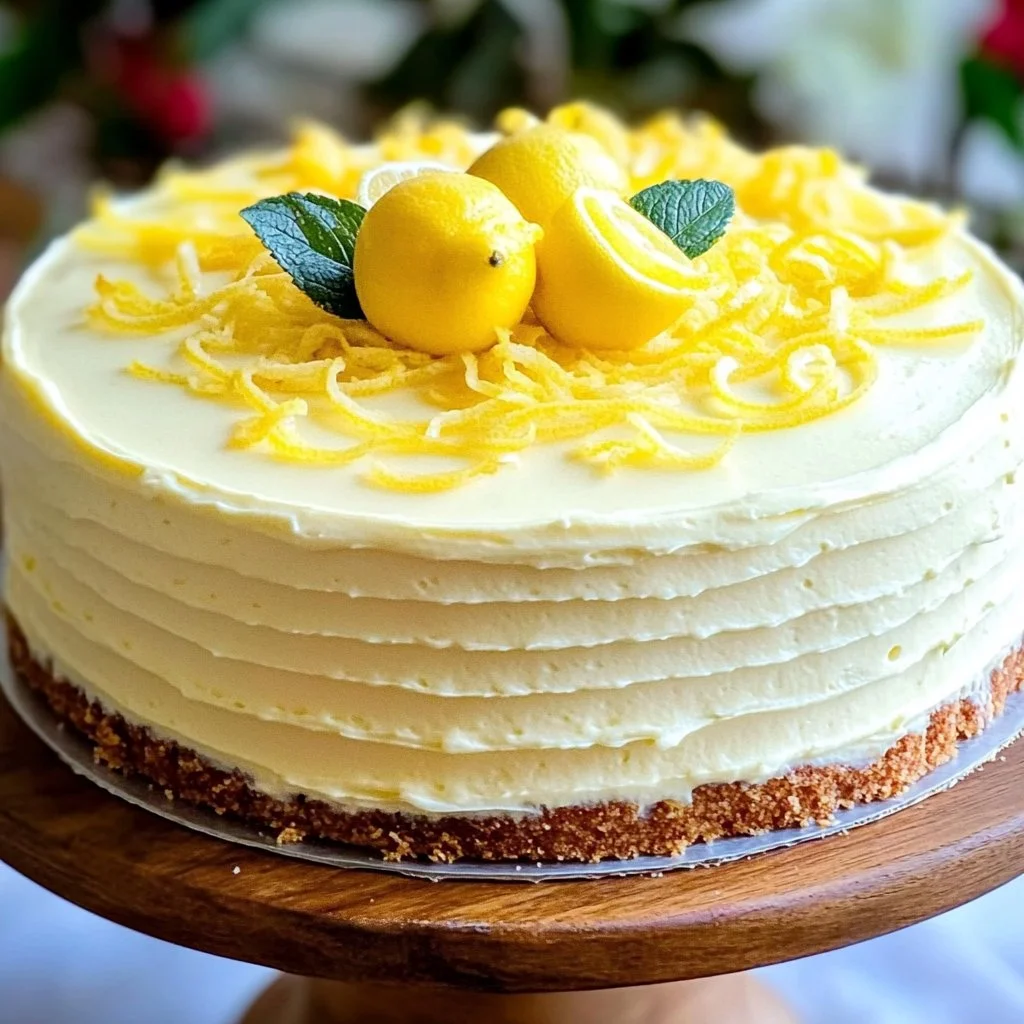
Serve thin wedges chilled so the texture stays creamy. A small dollop of lightly sweetened whipped cream and a thin lemon slice on each plate keeps presentation simple and elegant. Pair with a cup of black tea or a citrus-forward coffee for brunch. For a festive platter, add fresh berries or a scattering of toasted almonds for crunch.
Storage and reheating tips
Cover the chilled cheesecake lightly with plastic wrap or store in an airtight container. It keeps well in the refrigerator for up to 4 days. To freeze, wrap the whole cake in plastic wrap and then foil; freeze up to 1 month. Thaw in the refrigerator overnight before serving. Do not leave cheesecake at room temperature for more than two hours to prevent bacterial growth from the dairy and eggs.
Helpful cooking tips
- Bring the cream cheese to room temperature for at least 30 minutes so it blends smoothly and avoids lumps.
- Beat gently after adding eggs; too much air causes cracking.
- For the smoothest top, scrape down the bowl and mix just until combined.
- If you’re worried about cracks, bake the cheesecake in a water bath or place a pan of hot water on the oven rack below to create a humid environment. Wrap the springform pan’s outside in foil first to keep water out.
- Letting the cake cool slowly inside the oven is the single best trick to minimize surface cracks.
Creative twists
Swap sour cream for mascarpone for a richer, silkier filling, or fold in a few tablespoons of poppy seeds for texture. You can also spread a thin layer of lemon curd over the cooled cake for an extra citrus punch. If you want a dramatic layered option for a party, transform the filling into a parfait using crushed graham crackers, lemon curd, and berries; for a fully developed layered idea, see the lemon blueberry cheesecake trifle recipe.
Recipe variations
- Blueberry swirl: spoon warm blueberry compote over the batter and drag a knife through to create swirls.
- Gluten-free crust: use gluten-free graham crumbs or finely ground gluten-free cookies.
- Mini cheesecakes: divide batter into lined muffin tins and bake 18–22 minutes for individual portions.
- Lighter version: use low-fat cream cheese and Greek yogurt, but expect a less dense, slightly tangier texture.
Your questions answered
How long does this cheesecake take from start to finish?
Hands-on time is about 30 minutes. Bake and oven-cooling add roughly 2 hours, plus at least 4 hours of refrigeration. Make it the day before for best results.
Can I use bottled lemon juice instead of fresh?
Fresh lemon juice and zest give the brightest, cleanest flavor. Bottled juice will work in a pinch but results will taste flatter.
Why did my cheesecake crack and how can I avoid it?
Cracks happen from too much air in the batter or sudden temperature changes. Mix gently, avoid overbeating, and cool the cake slowly in the oven with the door ajar to reduce cracking.
Is a water bath necessary?
No, but it helps. A water bath creates gentle, even heat and humidity, which reduces cracks and gives a silkier texture. If using one, wrap the pan in foil to keep water out.
How long can I freeze leftovers?
Freeze wrapped cheesecake for up to 1 month. Thaw in the refrigerator overnight before serving; avoid refreezing after thawing.
Can I make this without a springform pan?
You can use a regular 9-inch cake pan, but remove the cheesecake by inverting the pan onto a plate once chilled, or line it with parchment for easier removal.
PrintTangy Lemon Cheesecake Cake
A smooth, citrus-forward baked cheesecake with a buttery graham cracker base and a clean lemon finish that brightens every bite.
- Prep Time: 30 minutes
- Cook Time: 60 minutes
- Total Time: 390 minutes
- Yield: 8 to 12 servings 1x
- Category: Dessert
- Method: Baking
- Cuisine: American
- Diet: Vegetarian
Ingredients
- 1 1/2 cups graham cracker crumbs
- 1/2 cup unsalted butter, melted
- 3 (8-ounce) packages cream cheese, softened
- 1 cup granulated sugar
- 1 teaspoon vanilla extract
- 3 large eggs
- 1/2 cup sour cream (or full-fat Greek yogurt)
- 1/4 cup fresh lemon juice (about 1–2 lemons)
- Zest of 1 lemon
- Whipped cream and lemon slices for topping (optional)
Instructions
- Preheat the oven to 325°F (160°C). Grease a 9-inch springform pan.
- Mix graham cracker crumbs and melted butter in a bowl until evenly moistened. Press the mixture firmly into the pan bottom to form a compact crust.
- Beat the softened cream cheese in a large bowl until smooth and free of lumps.
- Gradually add the sugar while beating, then stir in the vanilla until combined.
- Add the eggs one at a time, beating briefly after each so they incorporate without overwhipping.
- Stir in the sour cream, lemon juice, and lemon zest until just combined; avoid overmixing.
- Pour the batter over the prepared crust and smooth the top with a spatula.
- Bake for 50 to 60 minutes. The center should be set but still slightly jiggly; the edges will appear lightly golden.
- Turn off the oven and leave the cheesecake inside with the door ajar for 1 hour to cool gently.
- Remove from the oven, cool to room temperature, then refrigerate for at least 4 hours or overnight. Before serving, top with whipped cream and lemon slices if desired.
Notes
Use fresh lemon juice for the best flavor; avoid sudden temperature changes to prevent cracks.
Nutrition
- Serving Size: 1 slice
- Calories: 350
- Sugar: 20g
- Sodium: 450mg
- Fat: 25g
- Saturated Fat: 15g
- Unsaturated Fat: 9g
- Trans Fat: 0g
- Carbohydrates: 30g
- Fiber: 1g
- Protein: 7g
- Cholesterol: 80mg