
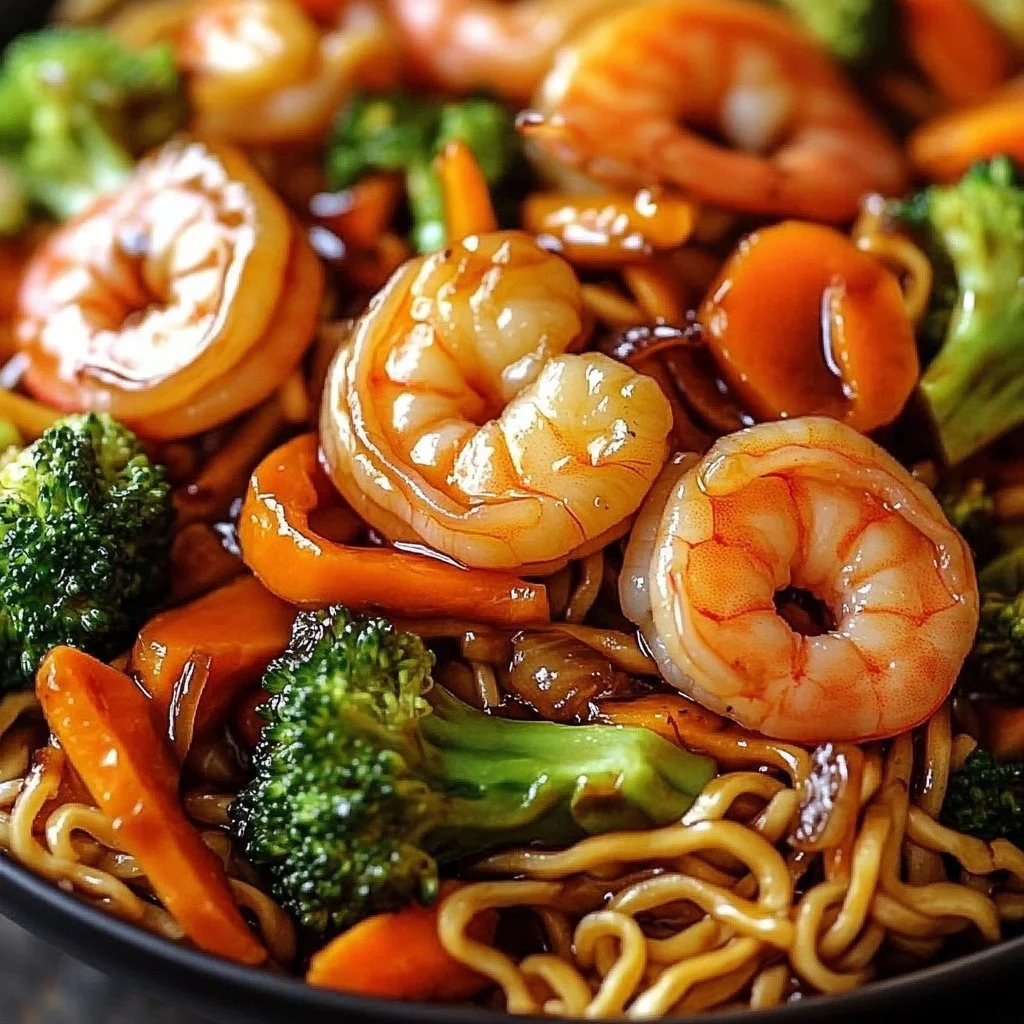
I make this One-Pan Shrimp Stir Fry with Noodles on busy weeknights when I want something fast, high in protein, and bright with vegetables. It’s a single-skillet meal that comes together in about 20–25 minutes, uses pantry staples, and adapts to whatever veg you have on hand. If you’d like to compare my method with a similar take, check the high-protein shrimp stir fry noodles recipe for another high-protein approach.
Why you’ll love this dish
This recipe is a perfect mix of speed, nutrition, and flavor. Shrimp cooks in minutes, high-protein noodles keep you full longer, and mixed vegetables add color and crunch. It’s budget-friendly if you buy shrimp frozen, and easy to scale up for a family dinner or halve for a solo meal. Because everything finishes quickly, it keeps textures bright — no soggy noodles or limp veg when done right.
“Bright veggies, tender shrimp, and just enough soy to bring everything together — my new go-to for nights I don’t want to think about dinner.”
Step-by-step overview
This one-pan approach follows a simple flow:
- Sauté aromatics (garlic + ginger) to flavor the oil.
- Quickly cook shrimp until just opaque.
- Stir-fry mixed vegetables until crisp-tender.
- Cook and drain high-protein noodles separately, then combine everything with soy sauce and finish with seasoning.
That short sequence keeps shrimp tender and veggies vibrant while letting the noodles soak up the savory sauce.
Key ingredients
- 1 pound shrimp, peeled and deveined (large or medium)
- 8 oz high-protein noodles (soba, edamame noodles, or another high-protein variety)
- 2 cups mixed vegetables (bell peppers, broccoli florets, snap peas, carrots — cut to bite-size)
- 2 tablespoons soy sauce (use low-sodium if preferred)
- 1 tablespoon olive oil (or neutral oil like canola)
- 2 cloves garlic, minced
- 1 teaspoon fresh ginger, minced
- Salt and black pepper to taste
Notes and substitutions:
- For gluten-free, swap soy sauce for tamari or coconut aminos.
- If you want more depth, add 1 teaspoon toasted sesame oil at the end of cooking.
- Frozen shrimp: thaw completely and pat dry to prevent steaming in the pan.
Directions to follow
- Bring a pot of salted water to a boil and cook the high-protein noodles according to package directions. Drain, toss with a tiny drizzle of oil to prevent sticking, and set aside.
- Heat a large pan or wok over medium-high heat. Add the olive oil and swirl to coat.
- Add the minced garlic and ginger to the hot oil. Sauté for 1–2 minutes until fragrant but not browned.
- Add the shrimp in a single layer. Cook 2–3 minutes, turning once, until the shrimp are pink and opaque. Remove them to a plate to avoid overcooking.
- In the same pan, add the mixed vegetables. Stir-fry 2–3 minutes until crisp-tender; give denser veggies a few extra seconds.
- Return the shrimp to the pan and add the drained noodles. Pour the soy sauce over the mixture.
- Toss everything together over the heat until evenly coated and warmed through, about 1 minute. Taste and season with salt and pepper as needed.
- Serve hot and enjoy immediately.
Best ways to enjoy it
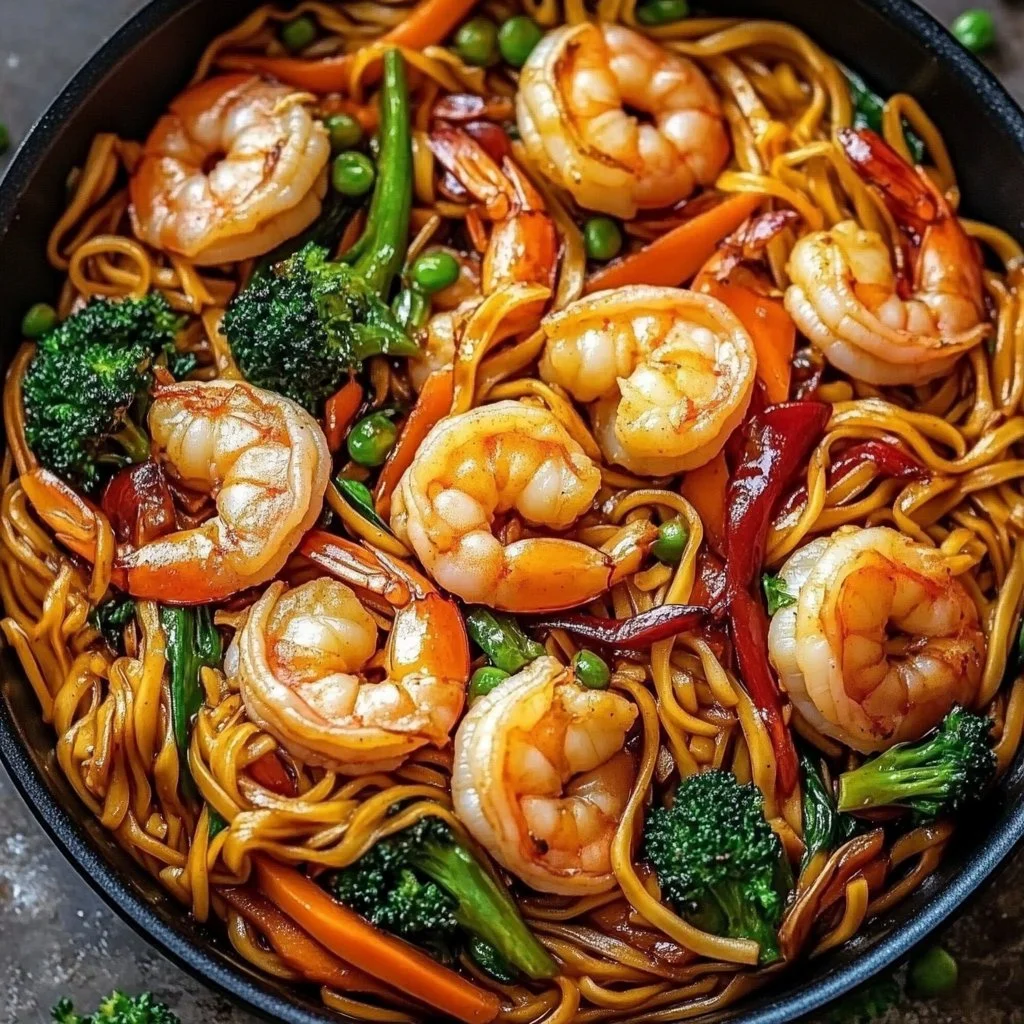
Serve this stir fry straight from the pan for the best texture. Garnish options that lift the dish: a squeeze of lime, a handful of chopped scallions, or a sprinkle of toasted sesame seeds. For a spicier kick, drizzle a little sriracha or chili oil. If you prefer poultry over seafood, you could swap shrimp for sliced chicken breast and try a related recipe like this chicken ramen stir fry for inspiration.
Pairing ideas:
- Light: A crisp cucumber salad or quick pickled carrots.
- Hearty: Steamed edamame or a side of miso soup.
- Drink: A dry white wine (Sauvignon Blanc) or a cold jasmine tea complements the soy-forward flavors.
Storage and reheating tips
- Refrigerate leftovers in an airtight container within two hours of cooking. Eat within 3 days for best quality.
- To reheat: warm gently on the stovetop over medium heat with a splash of water or soy sauce to loosen the noodles; microwave in short bursts, stirring between, to avoid overcooking shrimp.
- Freezing: the dish can be frozen, but vegetables may soften. Freeze in an airtight container for up to 2 months. Thaw overnight in the fridge before reheating.
- Food safety: make sure shrimp reach opaque color and firm texture when first cooked; refrigerate promptly to reduce bacterial risk.
Helpful cooking tips
- Pat shrimp very dry before cooking to get a quick sear rather than steaming.
- Use a large pan so ingredients have room; overcrowding lowers the pan temperature and leads to soggy vegetables.
- Cook noodles while stir-frying so everything finishes at the same time.
- Taste as you go: soy sauce levels vary by brand, so add it gradually.
- If you want a thicker glaze, mix 1 tsp cornstarch with 2 tbsp cold water and stir into the pan at the end, cooking 30–60 seconds until glossy.
Flavor swaps
- Peanut-savory: stir in 1 tbsp peanut butter and a splash of rice vinegar for a creamy twist.
- Citrus-sesame: finish with lime zest and sesame oil for brightness and nuttiness.
- Vegan/vegetarian: replace shrimp with firm tofu, pressed and pan-seared.
- Extra heat: add sliced fresh chiles or a spoonful of chili-garlic sauce.
- Different noodle options: ramen, udon, or whole-grain spaghetti work if you don’t have high-protein noodles.
Common questions
Can I use frozen shrimp straight from the freezer?
You can, but it’s best to thaw the shrimp first for even cooking. Rinse under cold water and pat dry. Cooking frozen shrimp directly can lead to uneven texture and extra liquid in the pan.
Which noodles are best for this stir fry?
High-protein soba or edamame-based noodles are great for texture and added protein. Ramen, udon, or whole-grain pasta all work — just follow package cook times and avoid overcooking.
How long will leftovers keep?
Store in the refrigerator for up to 3 days. For longer storage, freeze for up to 2 months. Reheat thoroughly until piping hot.
Can I meal-prep this for lunches?
Yes. Store noodles and stir-fry together in airtight containers or keep the sauce separate to maintain texture. Reheat on the stovetop for best results and add a spritz of water if the noodles seem dry.
PrintOne-Pan Shrimp Stir Fry with Noodles
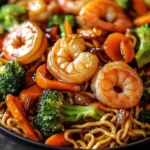
A quick and nutritious one-pan shrimp stir fry with high-protein noodles and vibrant mixed vegetables, perfect for busy weeknights.
- Prep Time: 10 minutes
- Cook Time: 15 minutes
- Total Time: 25 minutes
- Yield: 4 servings 1x
- Category: Main Course
- Method: Stir-Frying
- Cuisine: Asian
- Diet: Pescatarian
Ingredients
- 1 pound shrimp, peeled and deveined
- 8 oz high-protein noodles (soba, edamame noodles, or another variety)
- 2 cups mixed vegetables (bell peppers, broccoli florets, snap peas, carrots)
- 2 tablespoons soy sauce (low-sodium if preferred)
- 1 tablespoon olive oil
- 2 cloves garlic, minced
- 1 teaspoon fresh ginger, minced
- Salt and black pepper to taste
Instructions
- Bring a pot of salted water to a boil and cook the high-protein noodles according to package directions. Drain, toss with a drizzle of oil, and set aside.
- Heat a large pan or wok over medium-high heat. Add the olive oil and swirl to coat.
- Add the minced garlic and ginger to the hot oil. Sauté for 1–2 minutes until fragrant.
- Add the shrimp in a single layer. Cook for 2–3 minutes until pink and opaque. Remove to avoid overcooking.
- Add the mixed vegetables and stir-fry for 2–3 minutes until crisp-tender.
- Return the shrimp to the pan and add the drained noodles and soy sauce. Toss to combine and heat through for 1 minute.
- Season with salt and pepper as needed. Serve hot.
Notes
For gluten-free, swap soy sauce for tamari. Add toasted sesame oil at the end for more depth. Store leftovers in an airtight container for up to 3 days.
Nutrition
- Serving Size: 1 serving
- Calories: 400
- Sugar: 6g
- Sodium: 800mg
- Fat: 14g
- Saturated Fat: 2g
- Unsaturated Fat: 10g
- Trans Fat: 0g
- Carbohydrates: 50g
- Fiber: 4g
- Protein: 25g
- Cholesterol: 200mg